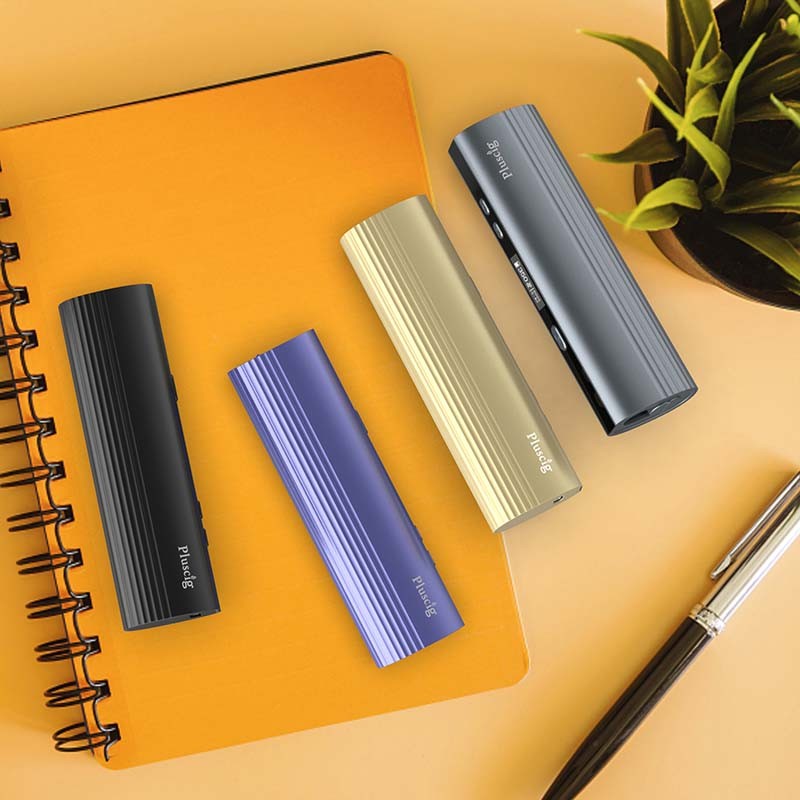
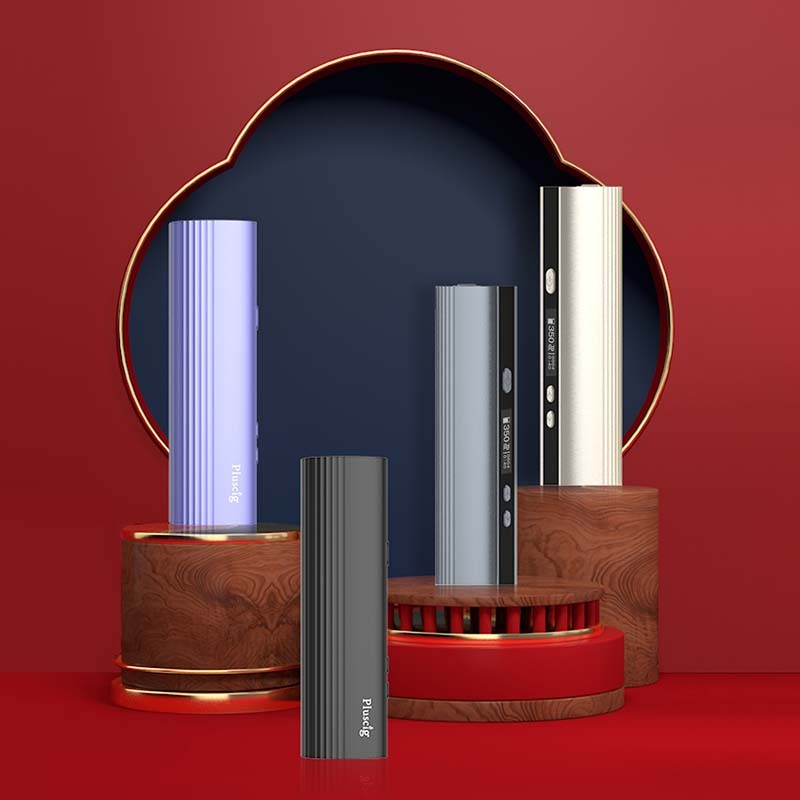
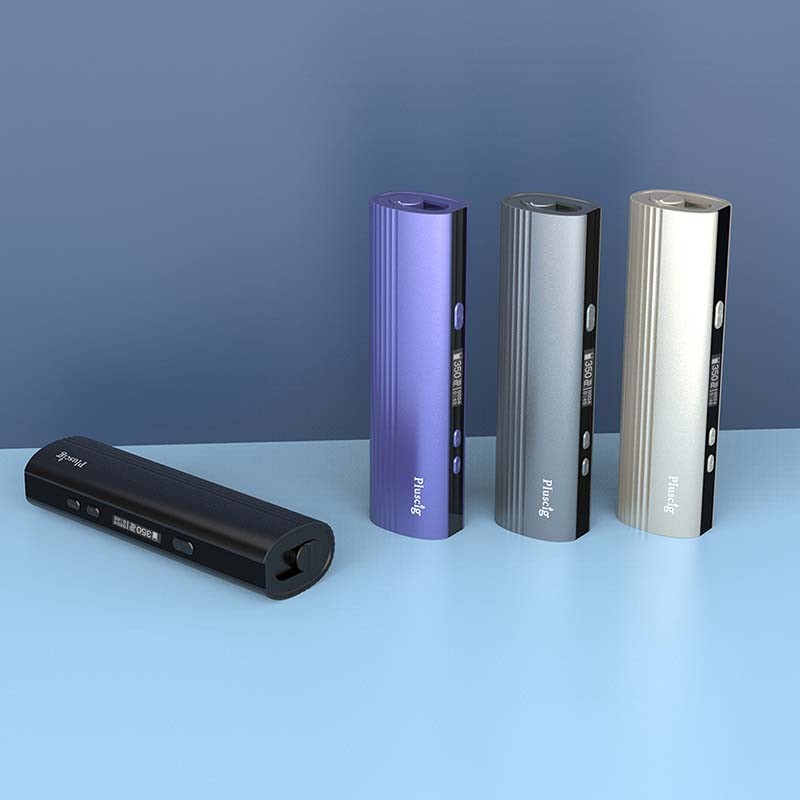
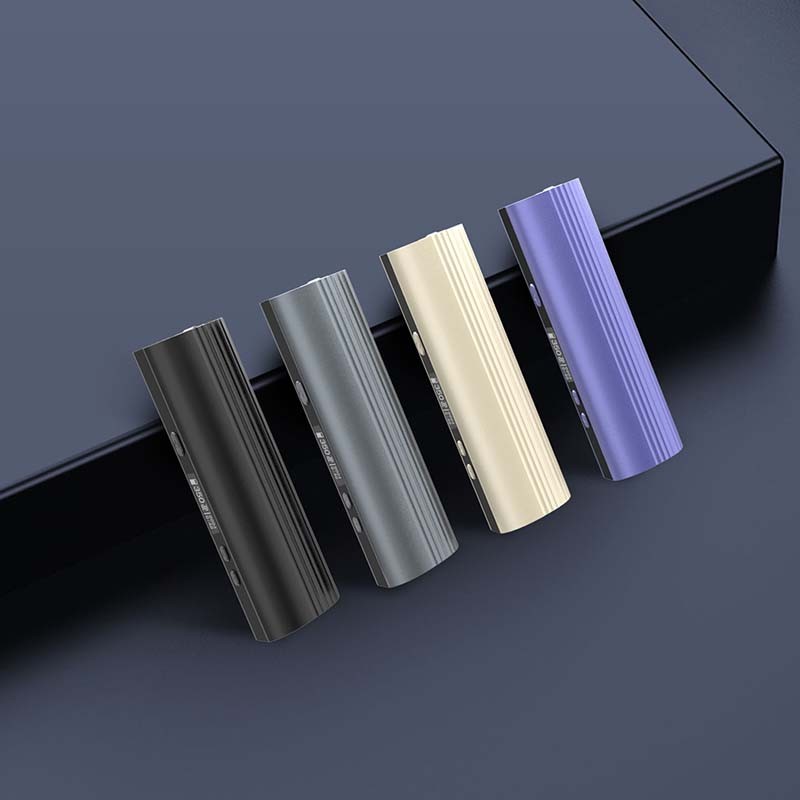


TEREA Heated Tobacco Device
TEREA Compatible HNB Device for TEREA Tobacco Stick Applications
The ELVIA TEREA Compatible HNB Device is developed for adult-oriented heated tobacco markets where compatibility with a TEREA-format tobacco stick is an important product requirement.
For distributors, wholesalers, importers and private-label businesses, selecting a heated tobacco device is not simply a matter of comparing battery capacity, appearance or operating time. The relationship between the device and its intended tobacco stick is equally important.
A TEREA-compatible product needs to be evaluated according to the physical format of the tobacco stick, the heating architecture, device control system and the requirements of the target market.
This product is therefore positioned as a TEREA-compatible heated tobacco solution, with an emphasis on compatibility evaluation, practical device development and B2B product sourcing.
The device belongs to the Heat Not Burn category and is designed around electronic tobacco heating rather than conventional cigarette combustion.
For commercial projects, ELVIA recommends confirming the exact tobacco stick format and completing sample evaluation before finalizing a production specification.

Built Around a Specific Tobacco Stick Ecosystem
One of the most important considerations when developing a heated tobacco product is the relationship between the consumable and the device.
TEREA is associated with the IQOS ILUMA ecosystem, where the tobacco stick and heating system are designed to work together. TEREA sticks incorporate a metal heating element, while the ILUMA platform uses a bladeless induction heating architecture.
This means that a TEREA-compatible device should not simply be treated as a generic HNB device.
Instead, the product needs to be considered as part of a complete system:
Tobacco Stick → Heating Interface → Electronic Control → Battery → User Operation
This system-level approach is particularly relevant to B2B customers because compatibility is ultimately determined by how these components interact.
For ELVIA, this creates a clear product-development focus: understand the target tobacco stick first, then evaluate the appropriate device configuration.
What Buyers Should Look for in a TEREA Compatible Device
When buyers search for a TEREA compatible HNB device, they may be comparing products from manufacturers with very different technical backgrounds.
A useful evaluation should go beyond the product photograph.
Important areas include:
Tobacco stick format
Device chamber configuration
Heating technology
Heating-element interaction
Electronic control
Battery system
Charging interface
Device dimensions
Operating sequence
Maintenance requirements
Production consistency
A professional supplier should also be able to explain how compatibility is evaluated rather than simply stating that a product is “compatible.”
This is particularly important for importers and distributors who may purchase hundreds or thousands of units for a specific regional market.
The objective should be to establish a clear, repeatable product specification before commercial production.
TEREA Compatibility Is a Product Specification
The phrase TEREA compatible should be treated as a technical and commercial specification rather than a generic marketing description.
The exact tobacco stick version intended for the project should be identified before production.
Depending on the project, the manufacturer may need information such as:
Intended tobacco stick format
Stick dimensions
Target market
Required heating architecture
Device operating requirements
Expected usage conditions
Packaging requirements
Branding requirements
This information helps establish whether the proposed device configuration is appropriate for the intended application.
For OEM customers, it can also reduce development time because technical requirements are defined before final tooling, packaging and production arrangements are confirmed.
Why Sample Evaluation Matters
A product specification on paper cannot replace physical compatibility testing.
For a TEREA-compatible HNB project, sample evaluation can provide useful information about:
Physical Fit
The intended tobacco stick should interact correctly with the device interface.
Insertion and Removal
The user should be able to insert and remove the compatible stick according to the product design.
Heating Operation
The electronic heating system should operate according to the approved product configuration.
Device Control
Buttons, indicators and operating functions should perform as specified.
Charging
The charging system should be checked under the intended operating conditions.
Repeated Operation
Multiple samples and repeated operating cycles can provide additional information about product consistency.
For commercial buyers, this staged evaluation is more meaningful than approving a product based solely on photographs or a short product description.
A Different Approach to HNB Product Development
Many generic HNB product listings begin with the device and then list the consumable as an accessory.
For a TEREA-compatible project, ELVIA recommends reversing the development sequence.
The process can begin with the intended tobacco stick and then move toward device selection.
Target Market
First identify the country or region where the product will be distributed.
Tobacco Stick
Next confirm the specific compatible tobacco stick format.
Technical Requirements
Define the required heating architecture, battery configuration, charging method and operating functions.
Sample Development
Evaluate a representative device with the intended consumable.
Specification Approval
Confirm the final technical configuration before production.
Commercial Production
Move to pilot or mass production after the approved specification is established.
This approach helps create a stronger technical connection between the product, consumable and target market.
Understanding the TEREA and HEETS Difference
TEREA and HEETS should not be treated as interchangeable keywords for the same product.
Official IQOS information states that TEREA is designed for the IQOS ILUMA system, which uses a bladeless SMARTCORE induction architecture. Earlier HEETS-compatible IQOS devices use a different blade-based heating approach.
This difference is highly relevant when building a commercial HNB product portfolio.
For website architecture, it is therefore better to maintain separate product pages:
HEETS-compatible products
TEREA-compatible products
General HNB products
Individual device models
This structure gives search engines clearer entity relationships while allowing buyers to understand exactly which product format they are evaluating.
For ELVIA, the TEREA page should therefore focus on TEREA compatibility, while the HEETS page should maintain its own independent search intent.
Heating Technology and Device Architecture
A modern heated tobacco device combines several electronic and mechanical systems.
The battery provides energy, the control electronics regulate operation, and the heating assembly transfers energy according to the selected product architecture.
In TEREA-format applications, the relationship between the tobacco stick and heating system is particularly important because the consumable itself is part of the heating interface.
Official IQOS documentation describes the TEREA SMARTCORE as a metal heating element located within the tobacco stick and explains that ILUMA uses induction heating rather than the blade architecture of previous generations.
For a third-party compatible device, the exact implementation should be evaluated according to the final product design rather than assumed from another manufacturer's technology.
This is why ELVIA recommends technical review and sample verification before commercial production.
Designed for Practical Device Integration
A commercial HNB device needs to combine technical functionality with practical industrial design.
The device architecture can be evaluated across several areas:
Housing structure
Tobacco-stick interface
Heating assembly
Control electronics
Battery compartment
Charging port
Indicator system
Thermal management
Assembly structure
Service and maintenance considerations
For distributors, this is important because the external appearance is only one part of product quality.
The internal arrangement determines how efficiently the device can be assembled, tested and reproduced during manufacturing.
For OEM projects, these factors can also influence packaging dimensions, accessory requirements and production cost.
Designed for B2B Product Development
The ELVIA TEREA-compatible product concept is particularly relevant to businesses that need more than a standard catalog item.
Potential project requirements may include:
Sample evaluation
Private-label packaging
Product specification confirmation
Regional product configuration
Branding requirements
Accessory configuration
Production quantity planning
Technical documentation
The development process can be adapted according to the complexity of the project.
For smaller businesses, the priority may simply be confirming compatibility and ordering samples.
For established distributors, the process may involve packaging development, quality standards, pilot production and regional compliance review.
This makes the same device platform potentially useful for different B2B sourcing models.
Quality Control for Commercial Production
A reliable TEREA-compatible product should be evaluated at both the prototype and production stages.
ELVIA's quality-control approach can include inspection points throughout the manufacturing process.
Typical checks may cover:
Incoming component inspection
Housing dimensional inspection
Battery verification
PCB functional testing
Charging performance
Heating-system testing
Assembly inspection
Operating-function testing
Finished-device inspection
Packaging inspection
For B2B customers, the transition from approved sample to mass production is especially important.
The production objective should be to reproduce the approved configuration consistently rather than simply manufacture a similar-looking device.
This is why a documented product specification and approved sample can provide useful references during commercial manufacturing.
From Sample to Production: A Practical Workflow
For businesses evaluating a TEREA compatible HNB device, ELVIA can structure the sourcing process around several stages.
1. Project Requirement
The buyer provides the intended market, target tobacco stick and basic product requirements.
2. Compatibility Assessment
The technical requirements are reviewed against the proposed device architecture.
3. Sample Stage
Samples are prepared for physical and operational evaluation.
4. Buyer Testing
The customer evaluates compatibility, usability, charging and overall product performance.
5. Technical Confirmation
The approved configuration is documented for future production.
6. Packaging and Branding
Where required, OEM/private-label packaging and branding requirements are confirmed.
7. Production
The approved product specification is transferred to commercial manufacturing.
This workflow creates a traceable path from the initial inquiry to the final production order.
International Wholesale and Distribution Opportunities
The TEREA-compatible HNB category may be relevant to selected international tobacco and alternative smoking-product businesses.
Potential B2B customers include:
Tobacco product wholesalers
Heated tobacco distributors
Regional importers
Specialty retailers
Private-label brands
Product development companies
Alternative smoking product distributors
However, regulatory conditions vary substantially between countries.
Before commercial distribution, buyers should independently review:
Tobacco-product regulations
Import requirements
Minimum-age requirements
Product registration
Packaging and labeling rules
Battery and electrical requirements
Advertising restrictions
Trademark requirements
A product being technically compatible does not automatically mean that it is legally approved for sale in a particular market.
This distinction is important for responsible international sourcing.
TEREA-Compatible Device Positioning for Private Label
For private-label businesses, a compatible HNB device can provide a foundation for developing a branded product line.
The device can potentially be integrated into a broader product program involving:
Device → Consumable Compatibility → Packaging → Brand Identity → Distribution
OEM development may involve discussions around:
Product appearance
Branding
Packaging
Accessories
User documentation
Minimum order quantity
Production schedule
Quality requirements
The exact customization options depend on the product version and project quantity.
For businesses entering the HNB category, starting with a proven device architecture and validating compatibility before branding can help establish a clearer development path.
TEREA Compatible Device vs. General HNB Device
Not every HNB device should be marketed as TEREA compatible.
A general HNB device may be designed for a specific proprietary tobacco stick, while a TEREA-compatible product is positioned around a particular consumable format.
| Evaluation Area | General HNB Device | TEREA Compatible HNB Device |
|---|---|---|
| Product positioning | Broad HNB category | Specific TEREA-format compatibility |
| Consumable focus | Product-specific | TEREA-format tobacco stick |
| Main SEO intent | Heat Not Burn / HNB | TEREA compatible HNB device |
| Technical focus | General heating | Device-stick compatibility |
| B2B value | General sourcing | Targeted market sourcing |
| Validation | Product-specific | Compatibility-focused testing |
This distinction also helps prevent keyword cannibalization across ELVIA's HNB product pages.
Product Information at a Glance
| Product Attribute | Details |
|---|---|
| Product Category | Heat Not Burn / HNB Device |
| Product Positioning | TEREA-compatible tobacco stick application |
| Intended Consumable | Compatible TEREA-format tobacco sticks |
| Heating System | Electronic controlled heating |
| Device Type | Rechargeable HNB device |
| Charging | Type-C, depending on final configuration |
| Application | Adult heated tobacco market |
| Business Type | Wholesale / Distribution / OEM / Private Label |
| Compatibility | Subject to technical verification |
| Sample Evaluation | Recommended before commercial production |
Final specifications and compatibility should be confirmed against the actual production version and intended tobacco stick format.
Frequently Asked Questions About TEREA Compatible HNB Devices
What is a TEREA compatible HNB device?
A TEREA compatible HNB device is a heated tobacco device developed for use with a compatible TEREA-format tobacco stick. It uses electronic heating rather than conventional cigarette combustion.
Is TEREA the same as HEETS?
No. TEREA and HEETS are associated with different device systems. TEREA was developed for the IQOS ILUMA platform and its induction-based heating architecture, while HEETS is associated with earlier blade-based IQOS systems.
Can TEREA be used in any HNB device?
Compatibility should not be assumed. TEREA is specifically designed for the IQOS ILUMA ecosystem, and a third-party device should only be described as compatible when its compatibility has been technically evaluated.
What should I provide when requesting a TEREA-compatible device?
For a B2B project, it is useful to provide the target market, intended tobacco stick format, estimated order quantity and desired device requirements. This allows the supplier to evaluate the appropriate product configuration.
Can ELVIA provide samples?
Qualified B2B customers can discuss sample requirements with ELVIA for compatibility and product evaluation before moving toward larger commercial quantities.
Can the device be customized for private label?
OEM and private-label requirements can be discussed according to the selected product configuration, order quantity, packaging requirements and destination-market regulations.
Does TEREA compatibility mean the device is an IQOS product?
No. TEREA and IQOS are trademarks associated with their respective owners. ELVIA uses TEREA only to identify the intended compatible tobacco stick format and does not claim affiliation or endorsement.
Can the device be sold internationally?
Commercial availability depends on the regulations of each destination market. Importers and distributors should independently confirm applicable tobacco, product, electrical, packaging, labeling, age-restriction and advertising requirements.
A Clearer Way to Source a TEREA Compatible HNB Device
For businesses entering the heated tobacco market, product selection should begin with a clearly defined application.
If the target consumable is a TEREA-format tobacco stick, the device should be evaluated according to that specific requirement rather than selected from a generic HNB catalog.
The ELVIA TEREA Compatible HNB Device is positioned around this compatibility-first approach.
The product development process connects the intended tobacco stick, device architecture, sample evaluation, manufacturing quality and commercial requirements into one sourcing workflow.
This provides distributors, wholesalers and private-label businesses with a more structured starting point for evaluating a TEREA-compatible product.
Rather than making broad claims about every tobacco stick or every market, ELVIA recommends confirming the exact compatibility requirement before production.
Request a TEREA Compatible HNB Device Sample
Looking for a TEREA compatible HNB device for wholesale, distribution or private-label development?
Share your target market, intended tobacco stick format and project requirements with ELVIA to discuss product compatibility, sample availability and commercial specifications.
ELVIA supports qualified B2B customers with product information, compatibility evaluation, technical communication and OEM/private-label discussions, subject to applicable product and market requirements.
Contact ELVIA Team Today To Discuss Your Business
Inquiry
Related Products
Categories
Latset News
CONTACT US
Contact: Lisa Shen
Phone: 18122097580
E-mail: sales@elviavape.com
Add: No.18, Fumin Industrial Zone, Shenzhen, China
 Send Email
 WhatsApp