
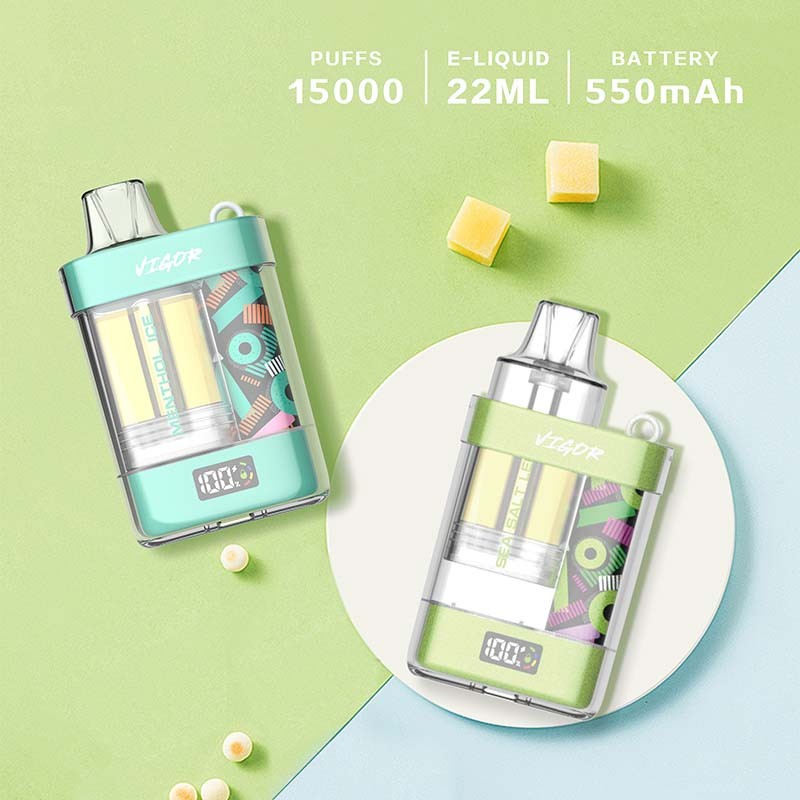
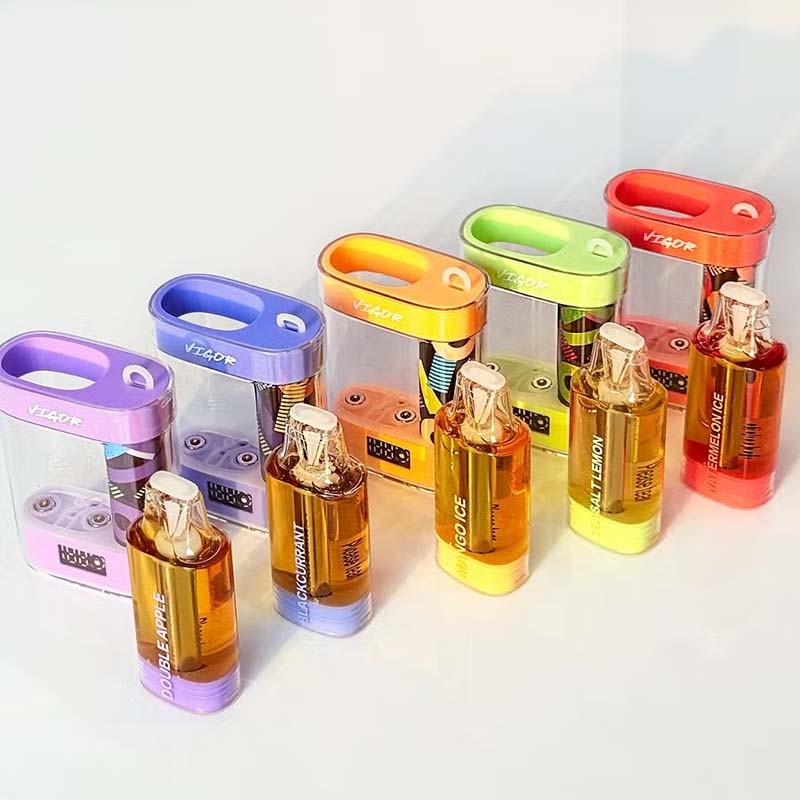



Reusable Refillable Pod Device
Refillable Pod System for B2B Product Development
ELVIA Refillable Pod System is a rechargeable pod-device platform developed for companies evaluating a replaceable-pod architecture for their product portfolio.
The system separates the rechargeable device from the pod component. The device houses the battery and electronic control components, while the pod integrates the liquid reservoir and heating assembly according to the selected configuration.
This architecture allows product developers to evaluate the device and pod as an integrated system while maintaining flexibility in pod configuration, exterior design, airflow and heating technology.
ELVIA provides OEM and ODM development support covering product requirements, engineering evaluation, sampling, customization, packaging and production coordination.
The final product configuration, technical parameters and market documentation can be defined according to the customer's project requirements and applicable regulations.

Refillable Pod System Architecture
A refillable pod system consists of several functional areas that work together as one device platform.
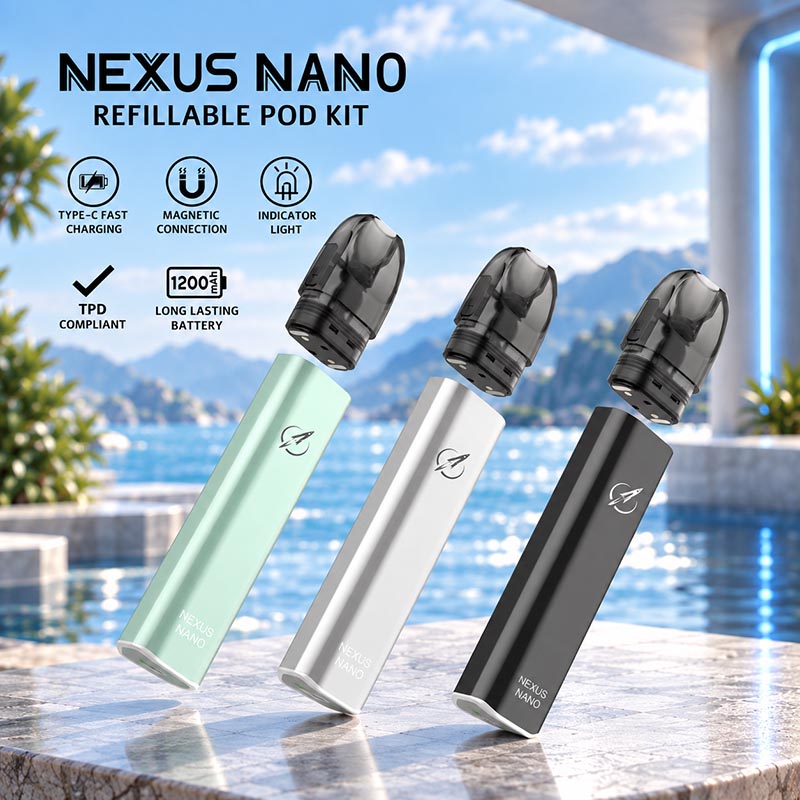
The rechargeable device generally includes the battery, control electronics, charging interface and pod connection structure. The replaceable pod contains the reservoir and heating components.
Separating these functions provides a modular architecture that can be adapted during product development.
Typical system components include:
Rechargeable device body
Internal battery
Electronic control board
Charging interface
Pod connection structure
Liquid reservoir
Heating element
Airflow pathway
Mouthpiece
Exterior housing
The exact component selection depends on the engineering specification and intended product configuration.
For OEM projects, ELVIA can evaluate these elements together rather than treating the pod and device as unrelated components.
Rechargeable Device Platform
The rechargeable device is the main hardware platform of the system.
It is designed to accommodate the battery, control electronics and charging interface within a compact housing. The device can also be developed around different exterior dimensions, finishes and branding requirements.
Key engineering considerations include:
Battery configuration
Power management
Charging interface
Electronic protection functions
Device dimensions
Housing structure
Pod connection
User interface
Airflow integration
A rechargeable architecture also allows the device platform to be evaluated separately from the pod component during product development.
This can be useful for brands that want to develop a product family around a common hardware platform.
Replaceable Pod Configuration
The replaceable pod is the second major component of the system.
Its design determines the relationship between the liquid reservoir, heating element, airflow path and device connection.
Depending on the selected platform, pod development may involve:
Pod dimensions
Reservoir configuration
Filling structure
Coil configuration
Mesh heating element
Mouthpiece design
Airflow pathway
Pod connection mechanism
Material selection
For customized projects, the pod should be evaluated together with the device because dimensional tolerances, electrical contact, airflow and heating parameters need to remain compatible.
Mesh Coil Configuration
Mesh heating technology can be incorporated into compatible refillable pod configurations.
A mesh heating element uses a patterned conductive structure rather than a conventional wire-style coil. Its engineering characteristics depend on factors such as resistance, mesh geometry, material and power input.
For product development, coil selection should not be considered independently.
The heating element interacts with:
Electrical power
Pod structure
Liquid formulation
Airflow
Reservoir design
Heating surface
Device control system
ELVIA can evaluate these parameters during product development and sample testing to determine an appropriate configuration for the specified device platform.
Final coil parameters should be confirmed through engineering evaluation rather than assumed from the general product category.
Airflow System Design
Airflow is an integrated part of pod-device engineering.
The airflow pathway connects the air inlet, pod structure, heating area and mouthpiece. Its dimensions and configuration can affect draw characteristics and vapor movement through the device.
Depending on the platform, airflow can be designed around fixed or adjustable configurations.
Relevant engineering factors include:
Air inlet position
Air channel dimensions
Pod airflow path
Airflow adjustment mechanism
Device-to-pod interface
Mouthpiece geometry
Draw resistance
When developing a customized refillable pod system, airflow should be evaluated together with the heating system and power output.
This integrated approach helps reduce incompatibility between individual components during sampling.
Device Display and Electronic Interface
Selected ELVIA configurations can incorporate a digital display or other electronic interface.
A display can provide device-related information such as battery status or operating information, depending on the electronic architecture.
Display integration requires coordination between the control board, firmware, display component and housing.
During OEM development, the following elements can be evaluated:
Display size
Display position
Information shown
Housing integration
Control interface
Electronic board configuration
Power consumption
The final interface depends on the selected hardware platform and customer requirements.
Housing and Brand Customization
The external housing provides the main physical interface between the device and the brand.
ELVIA can support customization of selected exterior elements for private-label and OEM projects.
Possible customization areas include:
Housing shape
Device dimensions
Surface finish
Product color
Logo position
Branding elements
Button configuration
Display window
Packaging appearance
Customization should be evaluated against tooling requirements, component availability, assembly requirements and production volumes.
This engineering-first approach helps ensure that visual changes remain compatible with the underlying device structure.
OEM and ODM Development Options
ELVIA supports two primary development approaches.
OEM Development
OEM projects can start from an existing refillable pod system platform.
The customer can define selected requirements such as:
Brand identity
Housing color
Logo
Packaging
Pod configuration
Product specifications
This approach can reduce development complexity when the existing platform already meets the project's technical requirements.
ODM Development
ODM projects involve a deeper level of product development.
The project can begin with a product concept, target specifications or preliminary design requirements. ELVIA can then evaluate the appropriate hardware architecture and coordinate product development.
Depending on the project, ODM development can involve:
Industrial design
Structural engineering
Pod development
Electronic configuration
Coil evaluation
Airflow development
Prototype production
Sample verification
Packaging development
Mass-production preparation
The appropriate development route depends on the degree of customization required.
Refillable Pod System Development Process
A structured development process helps clarify technical requirements before production.
1. Requirement Definition
The project begins with the customer's intended specifications, product configuration, branding requirements and target market.
2. Platform Evaluation
ELVIA reviews available device and pod architectures against the required configuration.
3. Engineering Review
Key elements including dimensions, battery configuration, pod structure, heating system, airflow and electronic functions are evaluated.
4. Prototype and Sampling
Samples are prepared for product evaluation. Design and technical requirements can then be reviewed before production approval.
5. Specification Confirmation
The approved product configuration, components, appearance, packaging and quality requirements are documented before mass production.
6. Production Preparation
Manufacturing requirements are transferred into the production process, including component specifications and inspection requirements.
7. Production and Quality Inspection
Production is carried out according to the approved specifications, with quality checks applied to relevant components and finished products.
This process provides a clear connection between product concept, engineering development and manufacturing.
Quality Control Considerations
For a rechargeable pod device, quality evaluation should cover the complete product system.
Relevant inspection areas can include:
Device assembly
Housing quality
Battery-related components
Charging function
Electrical connections
Pod connection
Coil consistency
Airflow structure
Leakage-related performance
Display function where applicable
Packaging condition
For OEM and ODM projects, product specifications should be documented before production.
This includes confirming component specifications, approved samples, artwork, packaging, labeling requirements and applicable market documentation.
Actual compliance requirements vary by jurisdiction and product configuration. Customers should verify the regulatory requirements applicable to their intended market before commercial distribution.
Technical Specification Reference
| Item | Configuration |
|---|---|
| Product Category | Refillable Pod System |
| Device Type | Rechargeable Pod Device |
| Pod Type | Replaceable / Refillable Pod |
| Heating System | Mesh Coil Options |
| Charging Interface | Type-C |
| Display | Available on Selected Configurations |
| Airflow | Fixed or Adjustable Options |
| Device Housing | Customizable |
| Branding | Private Label / OEM |
| Development | OEM / ODM |
| Packaging | Customized Options |
| Production | Specification-Based Manufacturing |
Exact specifications should be confirmed against the selected ELVIA platform and approved sample.
Product Documentation and Specification Control
For B2B product development, accurate documentation is an important part of supplier evaluation.
Before production, customers should have access to confirmed information covering the selected product configuration.
Depending on the project, documentation may include:
Product specification sheet
Component information
Approved sample reference
Packaging specifications
Artwork requirements
Inspection criteria
Production requirements
Applicable market documentation
Maintaining a defined specification helps reduce differences between approved samples and subsequent production.
For international projects, regulatory documentation and labeling requirements should also be reviewed according to the destination market.
Who Can Work with This Pod System Platform?
The ELVIA refillable pod system platform can be evaluated by several types of B2B customers.
Vape Brand Companies
Brands developing a rechargeable pod product can use the platform as the basis for a customized product program.
Private Label Businesses
Companies seeking an existing hardware platform can evaluate available configurations and customize selected brand elements.
Distributors
Distributors can review product specifications and customization options when developing regional product portfolios.
Product Development Teams
Product developers can work with ELVIA on hardware, pod, airflow and appearance requirements during an OEM or ODM project.
The final configuration should be selected according to technical requirements, applicable regulations and the customer's commercial model.
Why Choose ELVIA for Pod System Development?
ELVIA approaches pod-system projects from both product-development and manufacturing perspectives.
Integrated Device and Pod Development
The rechargeable device and replaceable pod are evaluated as a connected system to help maintain compatibility between components.
OEM and ODM Flexibility
Customers can select an existing platform or discuss a more customized development requirement.
Engineering-Based Specification
Technical parameters can be reviewed and confirmed before production rather than relying only on product descriptions.
Sample-Based Approval
Samples provide a physical reference for evaluating product appearance, configuration and assembly before mass production.
Manufacturing Coordination
Approved product specifications can be transferred into the production process together with defined quality requirements.
These factors provide a structured basis for B2B customers evaluating a refillable pod system supplier.
Frequently Asked Questions About Refillable Pod Systems
What is a refillable pod system?
A refillable pod system is a rechargeable device architecture that uses a pod containing a liquid reservoir and heating assembly. Depending on the design, the pod can be refilled or replaced while the main device remains rechargeable.
How is a refillable pod system different from a disposable device?
The two products use different hardware architectures. A refillable pod system separates the rechargeable device from the pod, while a disposable device generally integrates its major components into a single product intended for limited use.
Can the pod configuration be customized?
Selected pod characteristics can be customized depending on the available platform and engineering requirements. These may include pod structure, capacity, heating configuration, airflow and exterior components.
Does ELVIA provide OEM and ODM development?
Yes. ELVIA supports OEM projects based on existing platforms and ODM projects requiring deeper product development and engineering coordination.
Can mesh coil technology be used?
Mesh heating elements can be incorporated into compatible configurations. Final resistance, mesh structure and power parameters should be confirmed during engineering evaluation.
Can the device include a digital display?
Selected configurations can include a digital display. The available functions depend on the electronic platform and final product requirements.
What information should a customer provide for a customized project?
Useful information includes the preferred device architecture, pod configuration, product dimensions, branding requirements, packaging requirements, target market and applicable technical specifications.
How does ELVIA manage product specifications?
Product requirements can be documented and confirmed through sample approval before mass production. This creates a reference for manufacturing and quality inspection.
Discuss a Refillable Pod System Development Project
For companies evaluating a rechargeable pod platform, the most important step is to define the required device architecture and technical specifications before moving into production.
ELVIA can provide product information, platform evaluation and OEM/ODM development support for companies assessing refillable pod system projects.
Contact ELVIA Team Today To Discuss Your Business
Inquiry
Related Products
Categories
Latset News
CONTACT US
Contact: Lisa Shen
Phone: 18122097580
E-mail: sales@elviavape.com
Add: No.18, Fumin Industrial Zone, Shenzhen, China
 Send Email
 WhatsApp