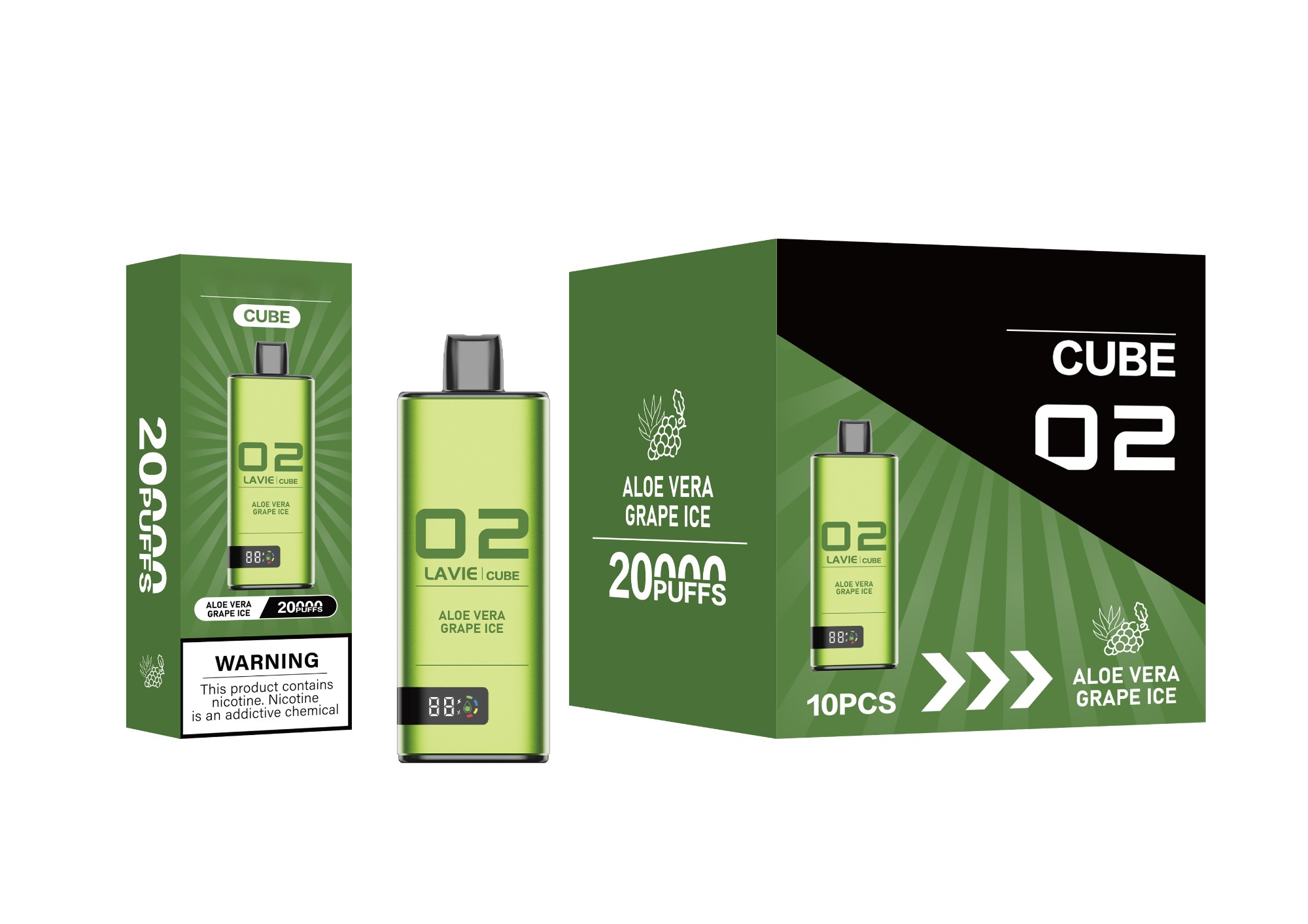

60ml Premium E-Liquid
60ml E-Liquid for Larger-Volume Product Formats
ELVIA 60ml E-Liquid is a larger-volume e-liquid format developed for product programs that require a defined 60ml liquid specification, coordinated packaging, and a repeatable production structure.
The 60ml format can be developed around more than the declared liquid volume. A complete product specification may include the formulation, flavor profile, nicotine configuration where applicable, container format, filling requirements, labeling, batch identification, and destination-market requirements.
For brands managing an established e-liquid portfolio, the 60ml format can provide a dedicated product architecture for larger-volume liquid programs while maintaining clear separation from smaller-volume products.
ELVIA approaches the 60ml e-liquid as a defined commercial product rather than simply increasing the volume of another SKU. This allows formulation, packaging, filling, and quality requirements to be established around one approved product specification.
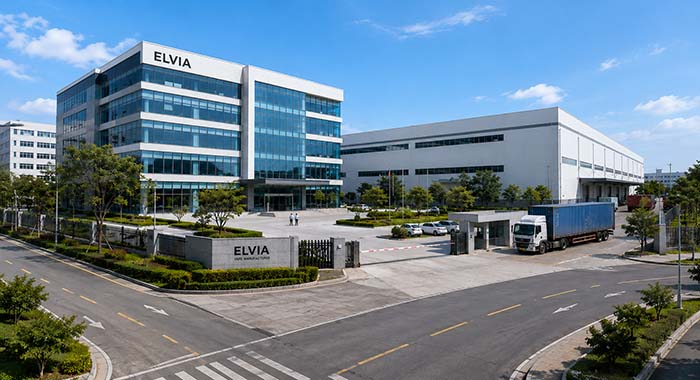
What Makes a 60ml E-Liquid Product Different?
Liquid volume is one of the most visible differences between e-liquid products, but it also affects how the product is specified, packaged, filled, and managed during production.
A 60ml vape liquid product can involve several coordinated parameters:
Nominal liquid volume
Formula specification
Flavor profile
Nicotine configuration where legally applicable
Container selection
Closure configuration
Filling requirements
Label dimensions
Product identification
Batch coding
Outer packaging
Quality requirements
The purpose of defining these elements together is to create a stable product reference that can be used across development, purchasing, production, packaging, and quality management.
For B2B customers, this is particularly important when a product is expected to move beyond sampling into repeated commercial production.
60ml E-Liquid as a Commercial SKU
A larger-volume e-liquid product should have its own clear SKU identity.
Rather than treating 60ml as simply another number attached to an existing flavor, the product can be structured as an independent commercial specification.
A typical product identity may connect:
60ml Volume → Formula → Flavor → Packaging → SKU → Batch
This relationship makes it easier to distinguish the product from 10ml and 30ml versions of the same or similar flavor.
The SKU can then serve as a common reference between the customer and manufacturer.
For example, the purchasing team can use the SKU when placing a reorder, the packaging team can reference the approved artwork, and production can work from the corresponding formula and filling requirements.
This product-centered structure helps reduce ambiguity as the e-liquid portfolio expands.
Formulation for a 60ml E-Liquid Product
The formulation is a core component of the 60ml product specification.
The liquid can be developed according to the agreed base composition, flavor direction, nicotine configuration where applicable, and other technical requirements defined for the project.
The formulation should be established before commercial production and maintained as the reference for the approved product.
A typical formulation development process may involve:
Product brief
Base specification
Flavor selection
Initial formulation
Sample preparation
Evaluation
Formula adjustment
Final approval
The final formulation can then be associated with the product's SKU and production documentation.
This provides a clearer reference for future production than relying solely on a flavor name or product image.
Flavor Development for 60ml Vape Liquid
Flavor is one of the primary characteristics used to differentiate e-liquid SKUs.
For a 60ml e-liquid product, flavor development can begin with an existing flavor direction or a new product concept.
The development process can be structured around a defined reference so that the final flavor is connected to the approved product specification.
Relevant development information may include:
Flavor category
Flavor concept
Formula version
Sample reference
Customer feedback
Approved formula
Product SKU
This structure is useful when a brand develops multiple 60ml vape liquid flavors because each flavor can remain independently identifiable while following the same overall product architecture.
ELVIA can work from the customer's preferred flavor direction and organize sample development around the agreed product requirements.
Managing the 60ml Filling Specification
Filling is an important part of a larger-volume liquid product because the declared volume must remain consistent with the approved product specification.
For a 60ml e-liquid program, filling requirements can be defined as part of the production specification.
The production reference may include:
Nominal filling volume
Container configuration
Filling equipment requirements
Closure configuration
Label position
Batch identification
Packaging requirements
The exact filling tolerance and inspection criteria should be established according to the actual product specification.
Rather than treating filling as a final packaging step, ELVIA can incorporate it into the product development and production planning process.
This creates a closer relationship between the liquid specification and the finished packaged product.
Container and Packaging Coordination
A 60ml e-liquid product needs packaging that corresponds with its liquid volume and overall product architecture.
Packaging development can cover the container, closure, label, outer packaging, and shipping configuration.
Depending on the project, customers may define:
Container style
Container material
Closure type
Label format
Label artwork
Product identification
Batch coding
Outer packaging
Carton configuration
The packaging should be reviewed together with the liquid specification so that the final product information remains consistent.
For private-label programs, the packaging can be developed around the customer's brand identity while maintaining the technical and market requirements applicable to the finished product.
60ml Product Specification and Version Control
A commercial product may change during its development.
For example, a customer may request a formulation adjustment, a new label design, or a different packaging configuration.
These changes should not automatically be treated as the same specification without review.
A structured 60ml product record can distinguish between:
Formula Version
and
Packaging Version
This makes it easier to identify which part of the product has changed.
For example, a brand may retain the same approved liquid formulation while updating its packaging artwork. Alternatively, the packaging may remain unchanged while the formulation is revised.
Separating these product attributes creates a clearer technical record.
Quality Control for 60ml E-Liquid
Quality control should be based on the actual specifications agreed for the product.
A 60ml e-liquid production program can involve quality checks across several stages.
Material Verification
Relevant liquid ingredients and packaging components can be checked against the applicable requirements before production.
Formulation Control
The production formulation can be checked against the approved product reference.
Filling Control
The filling process can be monitored according to the defined volume and process requirements.
Packaging Inspection
Labels, containers, closures, product identification, and other packaging components can be reviewed against the approved specification.
Finished Product Inspection
The completed product can be checked against the applicable acceptance criteria before shipment.
The exact inspection items depend on the actual product specification, customer requirements, and destination market.
This specification-based approach is more meaningful than relying on general statements such as “high quality” without defining what is actually controlled.
Batch Consistency for Repeat Production
For brands selling an established 60ml e-liquid SKU, repeat production can be as important as the initial product development.
The approved product specification should provide a stable reference for subsequent production runs.
A repeat-production reference may include:
Approved formula
Flavor specification
Product code
Filling specification
Packaging artwork
Batch identification
Quality requirements
This allows the same product identity to be maintained across multiple production cycles, subject to any approved changes.
Batch-level records can also provide a useful reference when customers need to review production information or distinguish between different manufacturing lots.
Building a Stable 60ml Product Portfolio
A 60ml e-liquid range can contain multiple flavors while maintaining a consistent product architecture.
For example, a brand may use the same basic container and packaging system across several flavors while assigning each product a unique formula and SKU.
The structure can be organized as:
Common 60ml Format + Individual Flavor + Approved Formula + Unique SKU
This provides consistency at the portfolio level without making different products indistinguishable.
For growing brands, such a structure can simplify product catalog management and make communication between purchasing, packaging, sales, and production teams more efficient.
Device Compatibility and Product Context
The intended vape device can provide important context when developing a 60ml e-liquid.
Liquid properties should be considered together with the intended application and device architecture rather than evaluated entirely in isolation.
Depending on the project, relevant information may include:
Device category
Heating system
Liquid delivery structure
Intended filling method
Product configuration
Formulation requirements
The purpose is to establish a clear development context.
A 60ml e-liquid should not automatically be described as universally compatible with every device. Compatibility depends on the actual product and formulation specifications.
For this reason, the intended application should be established during product development whenever relevant.
Nicotine Configuration and Destination Market
The 60ml liquid volume does not determine the nicotine specification.
Where nicotine-containing products are legally permitted, nicotine requirements should be established according to the target market and applicable product regulations.
Different jurisdictions may have different requirements covering:
Nicotine concentration
Product notification
Packaging
Labeling
Warnings
Testing
Documentation
Therefore, the final product specification should be developed with the destination market in mind.
ELVIA can work from the technical requirements provided by the customer, while the customer should confirm the regulations that apply to importing, registering, distributing, or selling the finished product in each target market.
60ml E-Liquid for Private-Label Programs
A private-label 60ml e-liquid program can involve several coordinated development stages.
Rather than beginning with artwork alone, the product can first be defined around the desired formulation, flavor, packaging, and market requirements.
A typical workflow can include:
Product Brief → Formula Development → Sample → Customer Approval → Packaging Confirmation → Pilot Production → Final Specification → Commercial Production
This workflow provides a defined transition from concept to finished product.
For brands with their own packaging artwork, the artwork can be incorporated after the relevant product specifications have been established.
This helps ensure that the finished package corresponds with the approved product identity.
Technical Specification of 60ml E-Liquid
| Product Attribute | 60ml E-Liquid |
|---|---|
| Product Category | E-Liquid |
| Nominal Volume | 60ml |
| Product Format | Larger-volume liquid format |
| Formulation | Project-specific |
| Flavor | Configurable |
| Nicotine | Market-dependent where applicable |
| Container | Project-specific |
| Closure | Project-specific |
| Label | Customizable |
| Product Code | Project-specific |
| Batch Identification | According to project requirements |
| Filling Specification | Defined before production |
| Packaging | Customizable |
| Quality Control | Specification-based |
| Documentation | Project and market dependent |
The final specification should be confirmed before production because formulation, packaging, labeling, nicotine requirements, and market obligations can differ between products and jurisdictions.
Documentation for 60ml E-Liquid
Professional e-liquid product development requires more than a product name and a packaging design.
Depending on the actual project, documentation may include:
Product specification
Formulation reference
Flavor information
Packaging specification
Label information
Product identification
Batch information
Quality records
Market-specific documentation
The exact documentation available should be confirmed according to the actual product configuration and customer requirements.
Maintaining this information alongside the product specification can help customers manage repeat orders and internal product records more efficiently.
From Sample to Commercial Production
The sample stage is an important part of establishing the final 60ml product.
A sample allows the customer to review the proposed formulation and product configuration before larger production quantities are manufactured.
The process can be structured as:
Step 1 — Product Brief
Define the target market, volume, flavor direction, formulation requirements, packaging concept, and expected quantity.
Step 2 — Sample Development
Prepare the initial product according to the agreed specification.
Step 3 — Customer Evaluation
Review the sample against the intended product requirements.
Step 4 — Specification Confirmation
Confirm the formula, packaging, and other relevant product parameters.
Step 5 — Production Preparation
Prepare the approved specification for manufacturing.
Step 6 — Commercial Production
Manufacture the product according to the approved requirements.
This process creates a clear connection between the sample and the finished commercial SKU.
Managing 60ml E-Liquid Reorders
Repeat orders should reference the approved product rather than recreate the specification from the beginning.
Once a 60ml e-liquid has been approved, the product record can become the reference for future production.
The reorder process can therefore refer back to:
SKU
Approved formula
Flavor specification
Packaging version
Filling requirements
Batch requirements
If any of these elements changes, the change can be reviewed before production.
This provides greater control over long-term product consistency.
Why Product-Level Documentation Matters
A strong product specification provides a common language between the customer and manufacturer.
Instead of communicating through descriptions such as “the same 60ml flavor as last time,” the product can be identified using a defined SKU and approved specification.
This can reduce ambiguity and make production communication more precise.
For brands managing multiple flavors or multiple product formats, product-level documentation becomes especially useful.
It also gives the product page a more authoritative role within the wider website architecture because the page can represent a clearly defined commercial entity rather than generic e-liquid information.
ELVIA Product Development and Manufacturing Support
ELVIA Vape Tech Co., Ltd. structures e-liquid projects around defined product requirements and production specifications.
For a 60ml e-liquid program, this can include coordination across:
Formulation development
Flavor specification
Filling requirements
Packaging
Product identification
Batch management
Quality control
Documentation
Market requirements
The objective is to establish a product that can move from development into repeatable production with a clear specification reference.
This approach is designed for B2B customers that require a defined product program rather than an unspecified liquid supply.
60ml E-Liquid FAQ
What is a 60ml e-liquid?
A 60ml e-liquid is a vape liquid product with a nominal liquid volume of 60ml. Its complete specification can include formulation, flavor, nicotine configuration where applicable, packaging, filling, and batch requirements.
Can the 60ml formulation be customized?
Formulation can be developed according to the product brief, flavor requirements, intended application, and applicable market requirements.
Can ELVIA develop different flavors in the same 60ml format?
Yes. Different flavors can be managed as individual SKUs while maintaining a consistent 60ml product architecture.
Can the packaging be customized?
Container, label, artwork, closure, and outer packaging can be specified according to the project requirements.
How is repeat production managed?
An approved product specification can be used as the reference for subsequent production, including the formula, packaging, filling requirements, and product identification.
Can nicotine specifications be customized?
Where legally applicable, nicotine configuration can be defined according to the intended market and product requirements.
Can ELVIA provide samples before commercial production?
Product development can be organized around sample preparation and customer approval before commercial production.
What information is needed to start a 60ml e-liquid project?
A useful product brief includes the target market, liquid volume, flavor direction, formulation requirements, nicotine specification where applicable, intended device, packaging concept, labeling requirements, and estimated production quantity.
Request a 60ml E-Liquid Product Specification
If you are developing a larger-volume e-liquid product for a new brand, an existing product portfolio, or a private-label program, ELVIA can work from your required 60ml format and organize the project around a defined product specification.
Share your target market, flavor direction, formulation requirements, packaging concept, intended application, and estimated production volume.
ELVIA can then review the requirements and move the project toward sample development and specification confirmation.
Request a 60ml E-Liquid Specification & Sample
Inquiry
Related Products
Categories
Latset News
CONTACT US
Contact: Lisa Shen
Phone: 18122097580
E-mail: sales@elviavape.com
Add: No.18, Fumin Industrial Zone, Shenzhen, China
 Send Email
 WhatsApp