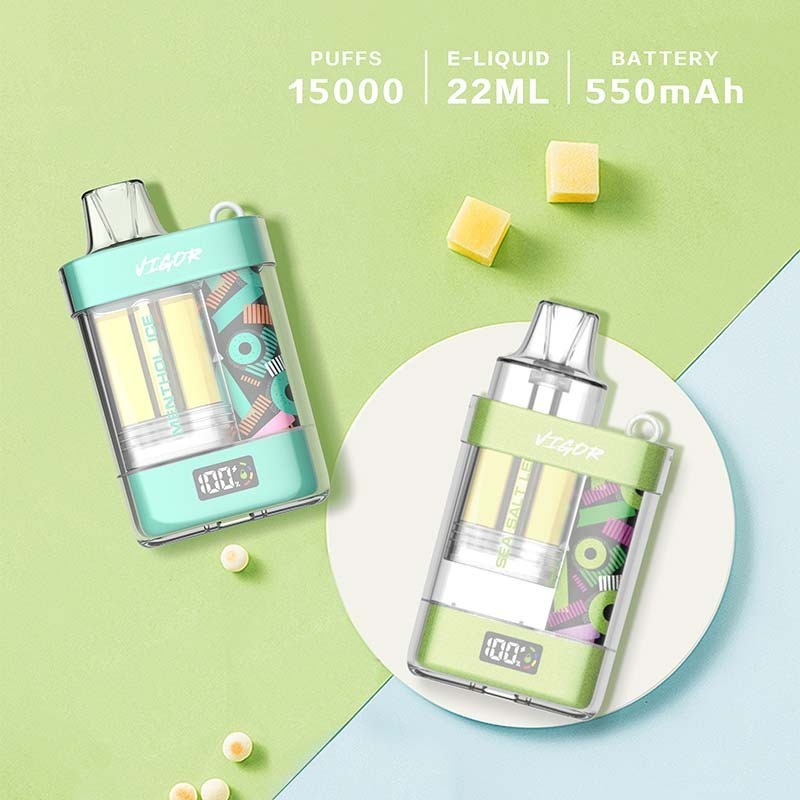





Closed Pod Vape Device
Prefilled Pod Device Architecture for Defined Product Configurations
ELVIA Prefilled Pod Device is built around a defined device-and-cartridge architecture in which the pod is prepared with e-liquid before the product reaches the end user.
The system consists of two primary elements: the electronic device and the prefilled pod cartridge. The device provides the electrical and control platform, while the cartridge integrates the liquid reservoir, heating assembly and airflow path.
This architecture allows the main technical parameters to be established during product development rather than relying on user-side filling or configuration.
For product developers, understanding the relationship between the device, cartridge, heating system, airflow and liquid reservoir is important when evaluating a prefilled pod platform.
ELVIA approaches the product as an integrated system, with attention to component compatibility, specification control, sampling and production requirements.

What Is a Prefilled Pod Device?
A prefilled pod device is an electronic vaping product designed to operate with a cartridge that has been filled before use.
Unlike a refillable pod device, the cartridge is not intended to require the user to add liquid during normal operation. The pod is prepared as a defined component and matched with the corresponding device.
A typical prefilled pod device may contain:
Electronic control system
Battery
Pod interface
Electrical contacts
Prefilled cartridge
Liquid reservoir
Heating element
Airflow pathway
Mouthpiece
Exterior housing
The exact configuration varies according to the product design.
From an engineering perspective, the pod and device should be considered as a matched system because electrical connection, physical dimensions, airflow and heating parameters all influence compatibility.
Closed Pod System Structure
The defining characteristic of a closed pod system is the controlled relationship between the pod cartridge and the device.
The cartridge is developed for a specific compatible device rather than being designed as a universal component.
This structure allows the product specification to define important parameters before production, including:
Cartridge dimensions
Reservoir capacity
Heating configuration
Device connection
Airflow structure
Electrical interface
Mouthpiece design
Housing configuration
A closed architecture can therefore be evaluated as a complete product platform.
For B2B product development, this distinction is useful because changes to the pod can affect the device, while changes to the device can affect cartridge performance.
Prefilled Pod Cartridge Components
The cartridge is the primary consumable component of the system.
Its internal structure normally combines the liquid reservoir with the heating and airflow components required by the selected platform.
Depending on the design, technical evaluation may cover:
Liquid Reservoir
The reservoir stores the specified e-liquid before operation. Its dimensions, material and internal structure need to correspond with the intended filling specification.
Heating Assembly
The heating component converts electrical energy into heat and interacts directly with the liquid-delivery system.
Airflow Path
The airflow channel connects the air inlet, heating area and mouthpiece and needs to remain compatible with the device structure.
Pod Interface
The interface connects the cartridge to the electronic device and establishes the physical and electrical relationship between the two components.
Mouthpiece
The mouthpiece forms the final airflow outlet and must be considered together with the cartridge geometry and overall device design.
These components should be evaluated as one assembly rather than optimized independently.
E-Liquid Filling and Cartridge Specification
Because the cartridge is prefilled during manufacturing, filling becomes an important production parameter.
The approved product specification should define the intended filling configuration, including relevant capacity, liquid formulation and filling requirements.
Production considerations may include:
Filling accuracy
Reservoir capacity
Filling process
Sealing
Cartridge assembly
Storage requirements
Packaging protection
Batch identification
The exact e-liquid formulation and filling volume should be established according to the customer's approved product specification and the regulatory requirements of the intended market.
For nicotine-containing products, additional market-specific requirements may apply.
These requirements should be confirmed before commercial production rather than assumed from a general product category.
Heating System Engineering
The heating system connects the electronic device with the cartridge's liquid-delivery structure.
A suitable heating configuration depends on several variables, including:
Heating element type
Electrical resistance
Power input
Liquid delivery
Airflow
Reservoir structure
Device control system
Mesh heating elements may be considered for compatible product architectures.
However, the heating element should not be selected independently from the device electronics and cartridge design. The electrical characteristics of the heating system need to correspond with the device's control parameters.
For development projects, sample evaluation can help verify the relationship between these components before final specification approval.
Airflow and Device Interface
Airflow is created through the combined design of the cartridge and electronic device.
The air path may include an external air inlet, internal channel, heating area and mouthpiece outlet.
Engineering considerations can include:
Air inlet position
Air channel dimensions
Pod airflow opening
Device-to-pod interface
Mouthpiece geometry
Draw resistance
Internal sealing
A change to one airflow component can influence the overall system.
For this reason, airflow should be evaluated together with the heating element and cartridge structure during product development.
Device Hardware Architecture
The electronic device provides the reusable hardware platform for the compatible cartridge.
Depending on the configuration, the device can include:
Battery
Control board
Electrical contacts
Pod retention structure
Activation mechanism
Indicator
Housing
Airflow structure
The internal arrangement needs to accommodate the selected battery and electronics while maintaining the required pod interface.
External design can then be developed around the internal engineering requirements.
This approach helps ensure that industrial design decisions do not conflict with electrical, structural or assembly requirements.
Battery and Electronic Control
Battery and electronic control components determine how the device supplies power to the heating system.
Relevant development considerations can include:
Battery specification
Power management
Activation method
Electronic protection
Heating control
Battery monitoring
Device indicators
The appropriate architecture depends on whether the selected product is designed around a rechargeable or non-rechargeable configuration.
Final electrical specifications should be established through product engineering and verified against the approved device and cartridge combination.
Prefilled Pod Device Configuration Options
Different prefilled pod devices can use different combinations of cartridge and hardware specifications.
Product development may involve evaluation of:
Cartridge configuration
Cartridge dimensions
Liquid capacity
Heating element
Airflow
Mouthpiece
Connection structure
Device configuration
Battery
Housing dimensions
Activation method
Indicator
Pod interface
Exterior finish
Product presentation
Housing color
Logo placement
Packaging
Labeling
Product documentation
The available configuration depends on the selected platform and the technical requirements of the project.
Prefilled Pod Device vs. Refillable Pod Device
Prefilled and refillable pod architectures serve different product configurations.
| Attribute | Prefilled Pod Device | Refillable Pod Device |
|---|---|---|
| Cartridge preparation | Filled during production | Designed for filling configuration |
| Liquid delivery | Defined before use | User-side filling may be supported |
| Pod architecture | Closed / dedicated | Refillable |
| Device relationship | Matched cartridge and device | Rechargeable device with compatible pod |
| Product control | More parameters defined during production | Greater filling flexibility |
| Development focus | Cartridge-device compatibility | Refill structure and device compatibility |
This distinction is important when organizing product pages because the two architectures represent different technical entities and should not be treated as interchangeable products.
Product Development Workflow
A controlled development process helps maintain consistency between the device and prefilled cartridge.
Product Requirements
The initial specification should identify the required device architecture, cartridge structure, dimensions, heating configuration, liquid parameters and packaging requirements.
Engineering Assessment
The device and cartridge are evaluated together to establish physical, electrical and airflow compatibility.
Prototype Development
Prototype units can be used to assess dimensions, assembly, interface design and other defined technical characteristics.
Sample Verification
Approved samples provide a physical reference for appearance, component configuration and assembly.
Specification Confirmation
Before production, the final product specification should document the approved components, dimensions, packaging and inspection requirements.
Production Preparation
Manufacturing requirements are transferred into the production process with appropriate inspection criteria.
Quality Verification
Finished components and assembled products can then be checked against the approved specifications.
This workflow creates a traceable connection between product design, sample approval and manufacturing.
Quality Control Areas for Prefilled Pod Products
Quality management should cover both the electronic device and the prefilled cartridge.
Relevant areas can include:
Device assembly
Battery-related components
Electrical contacts
Pod dimensions
Cartridge connection
Filling accuracy
Heating-element consistency
Airflow pathway
Sealing
Housing quality
Packaging condition
For prefilled cartridges, filling and sealing are particularly important because they directly relate to the cartridge's defined product configuration.
Quality criteria should be documented before production and applied consistently to the approved specification.
Product Documentation and Traceability
For international B2B projects, technical documentation provides an important reference throughout product development and production.
Depending on the project, documentation may include:
Product specification
Component specifications
Approved sample
Packaging artwork
Labeling requirements
Inspection criteria
Production requirements
Applicable compliance documentation
A documented specification also makes it easier to identify changes between development samples and subsequent production.
For regulated markets, customers should separately confirm applicable requirements concerning nicotine content, labeling, packaging, product registration, importation and distribution.
Market-Specific Compliance Considerations
Electronic vaping products are regulated differently across jurisdictions.
A product configuration suitable for one market may require different specifications or documentation for another.
Before commercial distribution, the responsible brand, importer or market entity should verify requirements applicable to the destination country or region.
Depending on the market, considerations may include:
Product classification
Nicotine regulations
E-liquid requirements
Packaging
Warning information
Labeling
Product registration
Import requirements
Age-related sales restrictions
ELVIA can provide product and manufacturing information required for project evaluation, while market-specific legal and regulatory assessment should be completed for the intended destination.
Technical Specification Reference
| Item | Product Information |
|---|---|
| Product Category | Prefilled Pod Device |
| Architecture | Closed Pod Configuration |
| Cartridge | Pre-Filled Pod |
| Liquid Delivery | Integrated Cartridge Reservoir |
| Heating System | Coil / Mesh Options |
| Airflow | Platform-Specific |
| Device Interface | Dedicated Pod Connection |
| Battery | Configuration Dependent |
| Activation | Platform Dependent |
| Housing | Product-Specific |
| Packaging | Customized to Product Specification |
| Development | Platform-Based / Custom Development |
Exact technical parameters should always be confirmed against the selected platform and approved sample.
Who Needs a Prefilled Pod Device Platform?
A defined prefilled pod architecture can be relevant to companies developing closed-cartridge product lines.
Potential project stakeholders include:
Product development teams
Vape brand companies
Private-label product developers
Regional distributors
Importers
Manufacturing partners
The appropriate device architecture depends on the target market, product requirements, regulatory framework and intended distribution model.
Why Specification Control Matters
A prefilled pod product involves several interdependent components.
A change in cartridge dimensions can affect the device interface. A change in heating resistance can affect electrical parameters. A change in airflow can affect the overall system configuration.
For this reason, specification control is an important part of the development process.
The most useful supplier information is therefore not limited to product appearance. It should also explain:
What components make up the system
How the cartridge interfaces with the device
Which parameters can be customized
How samples are evaluated
How specifications are transferred to production
Which market requirements must be confirmed
This type of documentation gives B2B customers a clearer technical basis for evaluating a product platform.
Frequently Asked Questions About Prefilled Pod Devices
What is a prefilled pod device?
A prefilled pod device is an electronic device designed to operate with a cartridge that has been filled with e-liquid before distribution.
What is a closed pod system?
A closed pod system uses a defined cartridge that is designed to work with a compatible device rather than being configured as a general refillable reservoir.
Is a prefilled pod the same as a refillable pod?
No. A prefilled pod is prepared with e-liquid during manufacturing, while a refillable pod is designed around a different liquid-loading architecture.
Can a prefilled pod use mesh heating technology?
Mesh heating elements can be incorporated into compatible product configurations. The final heating specification must correspond with the device's electrical and control system.
Does every pod fit every device?
No. Pod dimensions, electrical contacts, airflow and mechanical interfaces vary between platforms. A cartridge should be designed or selected for its compatible device.
What information should be confirmed before production?
The key information normally includes device configuration, cartridge dimensions, liquid specification, heating system, airflow, packaging, labeling, approved samples and applicable market requirements.
Why are the device and cartridge developed together?
Because the electrical connection, physical fit, heating system and airflow are interdependent. Treating them as one system helps maintain compatibility during development.
Discuss Your Prefilled Pod Device Requirements
A prefilled pod platform should be evaluated as an integrated device-and-cartridge system rather than simply as a cartridge product.
ELVIA can provide technical product information and manufacturing specifications for companies evaluating prefilled pod architectures, including cartridge structure, device interfaces, heating configurations and production requirements.
For a new project, the most useful starting information includes the intended device format, cartridge architecture, target specifications and destination-market requirements.
Contact ELVIA Team Today To Discuss Your Business
Inquiry
Related Products

Categories
Latset News
CONTACT US
Contact: Lisa Shen
Phone: 18122097580
E-mail: sales@elviavape.com
Add: No.18, Fumin Industrial Zone, Shenzhen, China
 Send Email
 WhatsApp