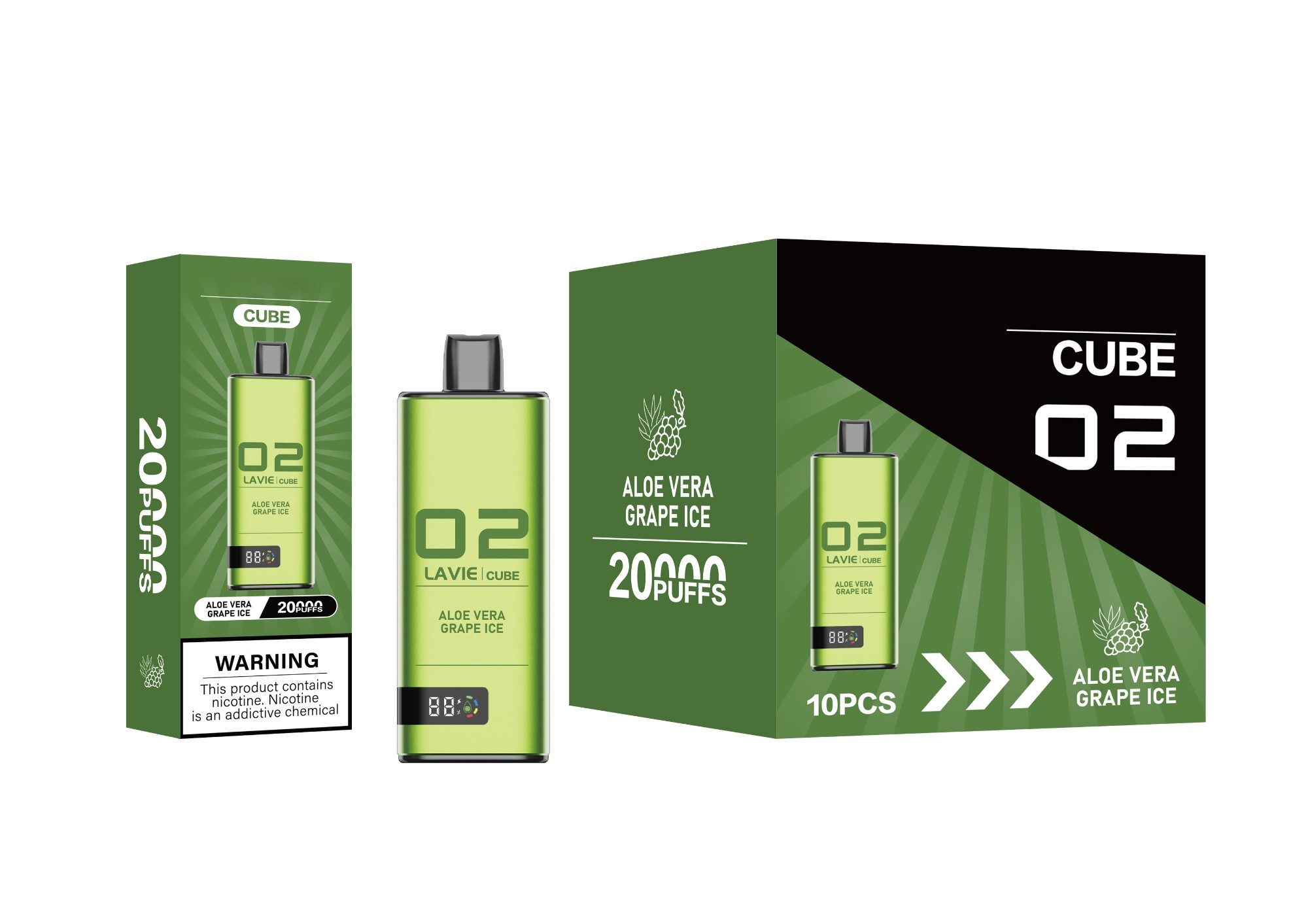

10ml Compact Vape E-Liquid
10ml E-Liquid for Compact Product Formats
ELVIA 10ml E-Liquid is a compact-volume liquid format developed for brands and product teams that require a clearly defined 10ml specification for a particular product program.
Instead of treating liquid volume as the only product characteristic, ELVIA approaches the 10ml format as a complete product specification covering formulation, flavor profile, nicotine configuration where applicable, packaging, filling requirements, identification, quality control, and market documentation.
A 10ml e-liquid product can therefore be developed around a specific commercial concept, device configuration, packaging format, and destination market.
This makes the product suitable for structured SKU development where consistency between the liquid, packaging, labeling, and production documentation is important.
The 10ml Format as a Defined Product SKU
A 10ml vape liquid is more than a smaller version of a larger-volume product.
When a brand introduces a 10ml SKU, the product may require its own specification, packaging artwork, product identification, filling parameters, and documentation.
The nominal 10ml volume provides the starting point, while the finished product can be defined by several additional attributes:
Liquid volume
Formulation system
Flavor profile
Nicotine specification where legally applicable
Container configuration
Filling requirements
Label information
Batch identification
Outer packaging
Target market
Product documentation
This specification-based approach helps keep the 10ml product clearly differentiated from other e-liquid volumes within the same product portfolio.
For ELVIA, the objective is to create a product record that can be reviewed, approved, reproduced, and manufactured according to defined requirements.
When a 10ml E-Liquid Format Makes Sense
A compact-volume e-liquid format can be considered when a product portfolio requires a smaller liquid quantity or a dedicated SKU structure.
The 10ml format may be appropriate for projects where packaging dimensions, liquid quantity, product segmentation, or market-specific requirements call for a compact configuration.
It can also be useful when a brand wants to establish a dedicated product specification instead of simply changing the fill volume of another SKU.
For product development teams, the important question is therefore not simply how much liquid the package contains, but whether the complete specification is appropriate for the intended product.
ELVIA can organize the development process around the customer's required:
Product concept
Liquid specification
Flavor direction
Nicotine requirement
Device application
Packaging format
Label information
Target market
Production quantity
This creates a more structured foundation for moving from product concept to sample and then to production.
Formulation Parameters for 10ml E-Liquid
Formulation is one of the primary technical elements of a 10ml e-liquid.
The formulation can be established according to the intended product specification rather than being defined solely by its flavor name.
Depending on the project, formulation parameters may include the base system, flavor composition, nicotine configuration, and other agreed characteristics of the finished liquid.
A defined formulation provides a reference point for sample evaluation and later production.
For B2B development, this is particularly important because a product specification should remain consistent when the project moves from prototype samples to pilot production and commercial manufacturing.
The formulation specification can therefore be documented alongside the product code, packaging information, and batch identification.
This approach reduces ambiguity when multiple flavors or multiple SKUs are being developed within the same product range.
Flavor Specification and Development
Flavor development should be treated as part of the technical product specification rather than as a standalone marketing element.
For a 10ml e-liquid program, ELVIA can work from an existing flavor direction, a customer-provided reference, or a new product concept.
The development process can be organized around several stages:
Product brief
The customer defines the intended flavor direction and overall product requirements.
Initial development
The formulation team develops a sample according to the agreed direction.
Sample evaluation
The customer evaluates the sample against the agreed product concept.
Adjustment
If required, the formulation can be modified based on the development feedback.
Specification approval
Once the required formulation is confirmed, the approved version becomes the reference for subsequent production.
This process gives the 10ml e-liquid a defined development history rather than relying on a generic flavor description.
Nicotine Configuration by Market
Nicotine should be specified separately from the 10ml liquid volume.
Different markets can apply different requirements to nicotine-containing e-liquid products, including restrictions on concentration, labeling, packaging, notification, testing, and sales.
Therefore, ELVIA does not treat one nicotine configuration as a universal specification for every 10ml e-liquid.
For a market-specific product program, customers should identify the intended destination market before finalizing the formulation.
The product brief can then include the applicable nicotine requirement where legally permitted.
This separation between liquid volume and nicotine specification also makes the product architecture clearer for brands managing several SKUs.
Packaging Architecture for a 10ml Product
The packaging system should be developed together with the liquid specification.
For a 10ml e-liquid product, packaging requirements can involve the container, closure, label, outer package, product identification, batch coding, and other information required for the intended market.
A packaging specification may include:
Container format
Nominal fill volume
Closure configuration
Label dimensions
Label artwork
Product identification
Batch information
Required warnings
Outer packaging
Shipping configuration
The purpose is not simply to create an attractive package, but to ensure that the physical product and its documented specification remain consistent.
For private-label programs, customer artwork can be incorporated into the agreed packaging specification where applicable.
All final labeling and packaging information should be reviewed against the requirements of the destination market before commercial production.
From Product Concept to Approved Sample
A structured development workflow is particularly valuable when a 10ml vape liquid is being introduced as a new SKU.
ELVIA can organize the development process around the following sequence:
Concept → Specification → Formulation → Sample → Evaluation → Revision → Approval → Production
At the specification stage, the key product parameters are defined.
The formulation stage establishes the liquid configuration.
Samples provide a physical reference for evaluation.
Once the formulation and packaging requirements are approved, the resulting specification can be used as the production reference.
This workflow creates a clear connection between what was originally requested and what is ultimately manufactured.
Batch Consistency and Product Identification
For commercial e-liquid programs, batch-level identification is an important part of product management.
A defined batch system can connect the finished 10ml e-liquid with its relevant production information.
Depending on the customer's documentation requirements, product identification may include:
Product name
SKU or product code
Batch number
Production information
Packaging specification
Approved formulation reference
This becomes particularly useful when a brand manages multiple flavors, packaging versions, or product volumes.
Instead of relying on a product name alone, the SKU and batch structure provide additional reference points for production and quality management.
Quality Control Approach
Quality control for a 10ml e-liquid should be based on the agreed product specification.
The exact inspection criteria can vary according to the formulation, packaging, target market, and customer requirements.
A structured quality process may include three main stages.
Incoming Material Control
Materials and components are checked against the applicable specifications before entering production.
Process Control
Production activities are monitored against the approved formulation and filling requirements.
Finished Product Inspection
The finished product is reviewed against the agreed specifications before packing and shipment.
The objective is to maintain consistency between the approved product definition and the manufactured product.
Where specific testing or documentation is required for a target market, those requirements should be established during the product development stage rather than added after production.
10ml E-Liquid Specification
| Product Attribute | Specification |
|---|---|
| Product Category | E-Liquid |
| Nominal Volume | 10ml |
| Format | Compact-volume liquid product |
| Formulation | Project-specific |
| Flavor | Configurable |
| Nicotine | Market-dependent where legally applicable |
| Packaging | Project-specific |
| Labeling | Customer / market specification |
| Batch Identification | Project-dependent |
| Product Development | Sample-based |
| Quality Control | Specification-based |
| Documentation | Based on project and market requirements |
The final commercial specification should always be confirmed before production because formulation, packaging, nicotine requirements, and regulatory obligations can differ between markets.
Compatibility with the Intended Vape Device
Liquid development should not be separated completely from the device for which the product is intended.
Different device architectures can create different requirements for liquid delivery and heating.
For a 10ml e-liquid program, it can therefore be useful to establish the intended device configuration during development.
Relevant information may include:
Device type
Heating system
Liquid delivery structure
Intended filling method
Formulation characteristics
Product packaging
Finished-product configuration
This does not mean that every 10ml liquid must be tied to one specific device. Rather, the device information provides additional context for evaluating whether the selected formulation and finished product specification are appropriate for the intended application.
Documentation for B2B Product Development
For professional product development, documentation is part of the product itself.
A product page may explain what the 10ml e-liquid is, but commercial development requires additional information that can be used for internal review, purchasing, quality management, packaging preparation, and market evaluation.
Depending on the project, documentation can cover:
Product specification
Formula reference
Flavor information
Packaging specification
Label information
Batch identification
Quality records
Market-specific documents
The exact documentation available should be confirmed according to the actual product configuration and customer requirements.
This documentation-oriented approach also supports better communication between product managers, purchasing teams, packaging designers, quality personnel, and production teams.
Market-Specific Product Preparation
A 10ml e-liquid specification should not automatically be considered suitable for every country.
Regulatory requirements for e-liquid products can differ significantly between jurisdictions.
Depending on the destination market, requirements may relate to:
Product formulation
Nicotine concentration
Container specifications
Labeling
Warnings
Packaging
Product notification
Testing
Technical documentation
For this reason, market information should be established before the final product specification is approved.
ELVIA can work from the technical requirements provided for the intended market, while the customer should verify the legal requirements applicable to importing, registering, distributing, or selling the finished product in that jurisdiction.
Building a 10ml E-Liquid SKU System
A well-defined SKU system can become particularly useful when a brand plans multiple flavors or product variations.
For example, the same 10ml product architecture can be organized around different approved flavor specifications while retaining a consistent approach to volume, packaging, identification, and production documentation.
This allows the product portfolio to remain structured without making every SKU a completely independent development project.
A consistent system can help coordinate:
Flavor → Formula → SKU → Packaging → Batch → Documentation
This relationship creates a clearer product database for brands managing multiple e-liquid products.
Why Product Specification Matters for Private-Label Programs
Private-label development is not simply a matter of placing a brand logo on an existing product.
The final product needs to be defined across multiple layers, including the liquid, packaging, labeling, production requirements, and market destination.
For a 10ml e-liquid project, a structured specification can help customers confirm these elements before committing to larger production quantities.
The development process can therefore begin with a product brief and proceed through samples, packaging confirmation, specification approval, and production.
This approach is useful for brands that want greater control over their finished product definition.
ELVIA Product Development Approach
ELVIA Vape Tech Co., Ltd. structures e-liquid projects around defined product requirements rather than relying only on generic product descriptions.
For the 10ml format, this means connecting:
Product volume
Formulation
Flavor development
Packaging
Device context
Quality control
Batch identification
Documentation
Market requirements
The result is a product specification that can be reviewed before production and referenced during subsequent manufacturing.
For B2B customers, this provides a clearer framework for moving from an initial concept to a defined commercial SKU.
10ml E-Liquid FAQ
What does 10ml e-liquid mean?
10ml e-liquid refers to an e-liquid product with a nominal liquid volume of 10ml. The complete product specification can also include formulation, flavor, nicotine configuration, packaging, labeling, and batch requirements.
Can a 10ml e-liquid formulation be customized?
Formulation parameters can be developed according to the agreed product brief, target market, and applicable requirements.
Can different flavors use the same 10ml product format?
Yes. Different flavor specifications can be organized as separate SKUs while maintaining a common 10ml product architecture.
Is nicotine included in every 10ml e-liquid?
No. Nicotine configuration is a separate product parameter and depends on the product specification and applicable market requirements.
Can the packaging be customized?
Packaging specifications can be developed according to the customer's requirements, including container configuration, labeling, artwork, batch identification, and outer packaging.
Can ELVIA develop samples before production?
Product development can be structured around samples and specification approval before proceeding to commercial production.
What information should be provided for a 10ml e-liquid project?
Useful information includes target market, required volume, flavor direction, formulation requirements, nicotine specification where applicable, packaging concept, intended device, labeling requirements, and estimated production quantity.
Request a 10ml E-Liquid Specification
If your brand is developing a compact-volume e-liquid SKU, ELVIA can work from your product concept and translate the requirements into a defined 10ml product specification.
Provide your target market, flavor direction, formulation requirements, packaging concept, nicotine specification where applicable, and expected order volume.
Request a 10ml E-Liquid Product Specification & Sample
Inquiry
Related Products
Categories
Latset News
CONTACT US
Contact: Lisa Shen
Phone: 18122097580
E-mail: sales@elviavape.com
Add: No.18, Fumin Industrial Zone, Shenzhen, China
 Send Email
 WhatsApp